Research Assistant
DLR Institute for AI Safety and SecurityCamera- and AI-related research.
Photonics · Laser Technology · Computer Vision · AI
PHYSICS + SENSORS + COMPUTATION
I am passionate about applied physics where experimental systems and computation meet. I enjoy taking technical projects from physical concepts and optical measurement setups to meaningful data and working solutions.
My work spans photonics, spectroscopy, computer vision and AI, combining an understanding of the underlying physics with modern computational and data-driven methods.
Koblenz University of Applied Sciences / University of KoblenzFocus: laser technology and optical technologies.
Completed modules as of 12 August 2026. German grades: 1.0 = highest grade, 4.0 = pass.
Koblenz University of Applied Sciences, RemagenBachelor thesis: optical 3D reconstruction via Shape-from-Focus, 1.0 (very good)
German grades: 1.0 = highest grade, 4.0 = pass.
Camera- and AI-related research.
Working-student R&D at a manufacturer of laser-based industrial sorting machinery, combining data acquisition, image processing and deep learning with MATLAB, Python and PyTorch.
Characterization and measurement of stepper motors.
As an Applied Physics student, I translate theory into practice through project-based work in university and professional R&D. The projects below span the experimental workflow, from implementation and measurement to system characterization, data processing and evaluation.
Exploring whether the surface hardness of heat-treated 80CrV2 steel can be inferred from laser-induced breakdown spectroscopy. Three analytical approaches are compared: an ion-to-atom spectral line ratio, PCA with k-means clustering, and machine-learning regression.
LIBS · Spectroscopy · Surface Hardness · Machine Learning View projectRecommissioning and characterization of a laser-induced plasma source designed for soft X-ray generation in the water window. The experimental setup combines a pulsed, frequency-doubled Nd:YAG laser with a high-vacuum system, an ethanol microjet target, a liquid-nitrogen cold trap to capture evaporated ethanol and maintain vacuum conditions, thin-film filters, a slit-grating spectrograph and CCD detection. Key components were systematically characterized, aligned and tested in an effort to restore the experimental setup.
Nd:YAG Laser · High Vacuum · Plasma Physics · Soft X-Rays · Spectroscopy · CCD Detection View project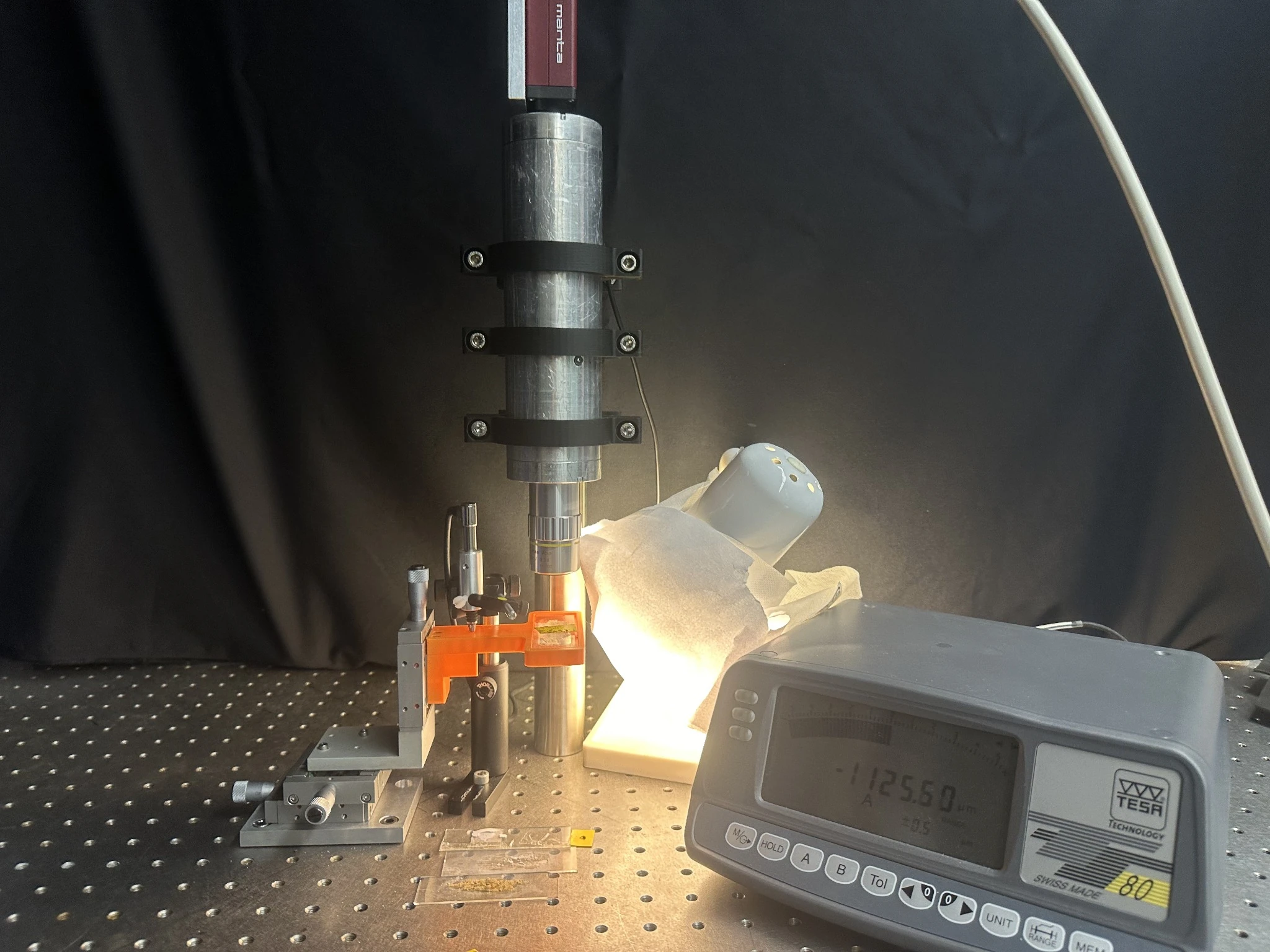
Built and characterized an optical measurement system for 3D reconstruction from focal stacks. Developed two configurable MATLAB pipelines for fast parameter evaluation and detailed reconstruction, including curve fitting, depth filtering and image registration. A razor blade with a measured reference thickness of 100 µm served as the reference object. Using displacement-gauge positioning and a fourth-order polynomial fit, the validation measurements yielded a mean reconstructed height difference of 99 µm. The workflow was also evaluated on optical microscope, SEM and macro-camera images.
Optical Metrology · Computer Vision · 3D Imaging · MATLAB View project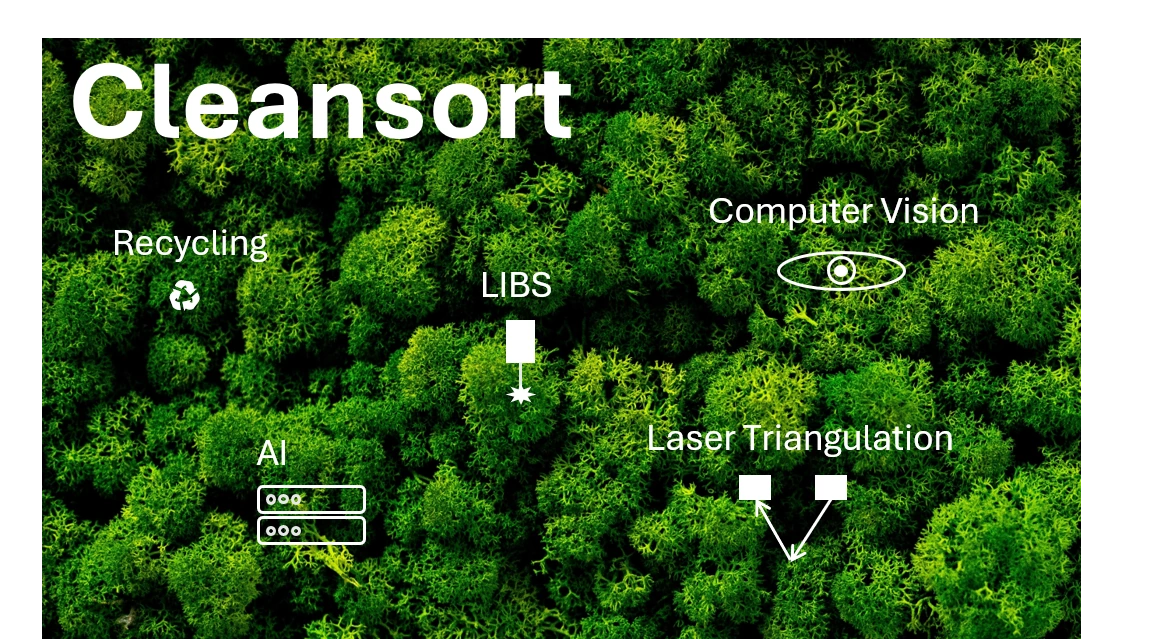
R&D working student in laser-based metal sorting, spanning experimental data acquisition, image processing and machine learning. Applied MATLAB, Python and PyTorch to data-processing and model-development workflows, including model validation and performance evaluation for industrial applications.
Image Processing · Machine Learning · Industrial R&D · MATLAB · Python · PyTorch View project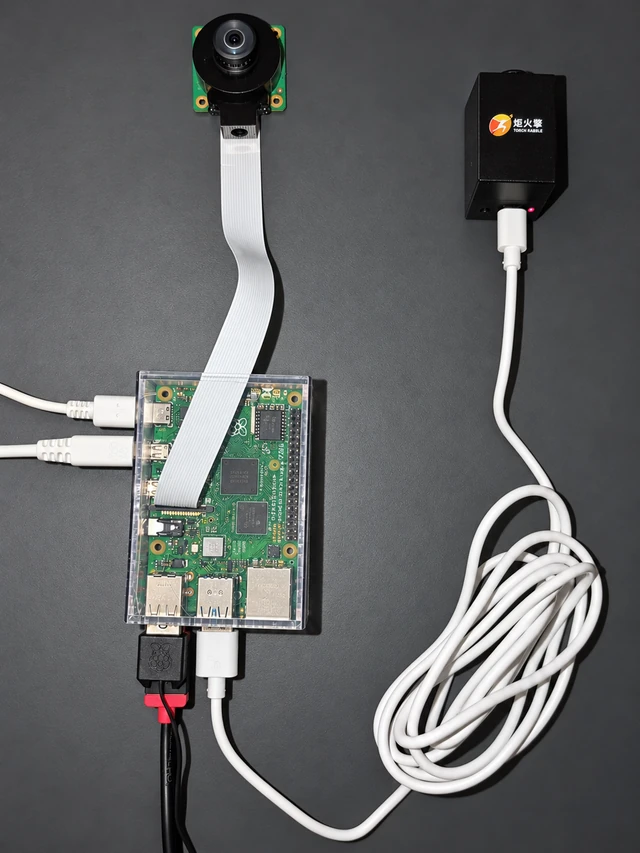
Planning, sourcing and building a complete optical measurement system from the ground up, including the direct procurement of a specialized spectrometer from a Chinese startup. The setup integrates the spectrometer and a Raspberry Pi Camera with a wide-angle lens via a Raspberry Pi, complemented by a Python GUI for instrument control, live visualization and automated, time-stamped data acquisition. The system was characterized and validated through comparative measurements with a reference spectrometer.
Raspberry Pi · Python · GUI Development · Spectroscopy · Imaging · Data Acquisition · System Integration View project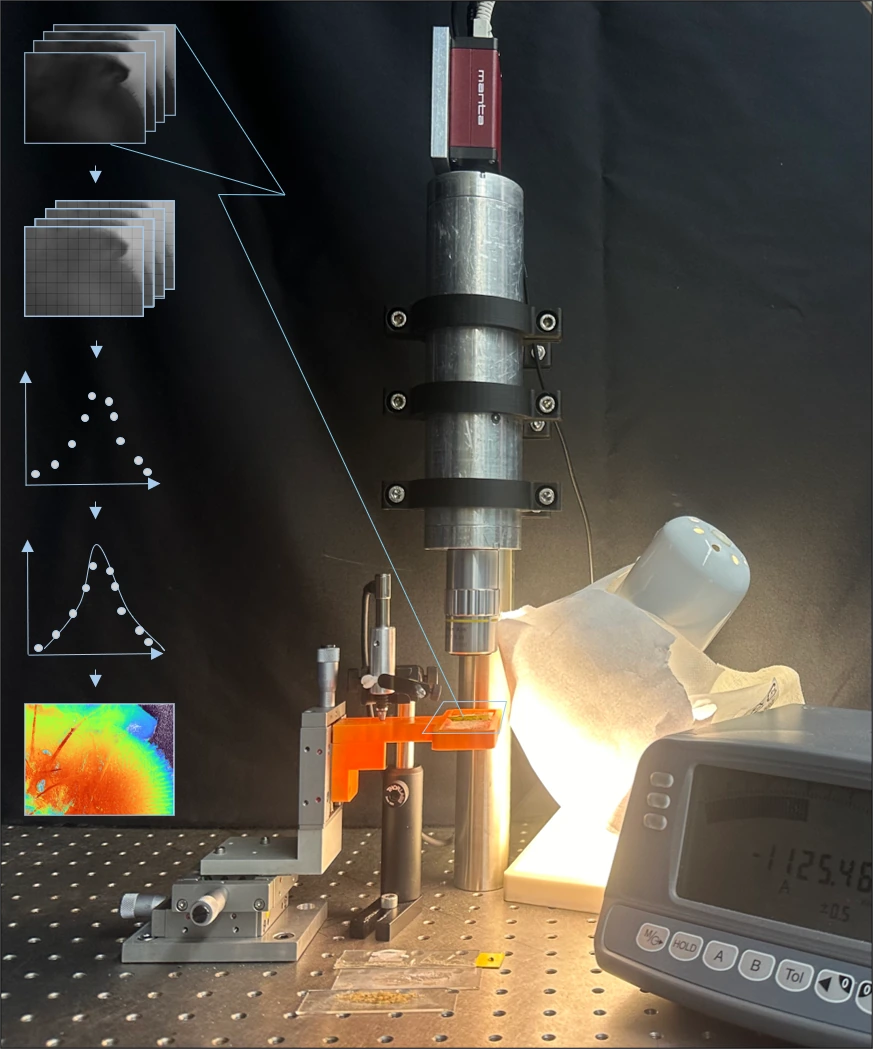
I start by understanding the underlying physics and the sensing system to acquire data that are well suited to the problem at hand. This physical understanding also helps me interpret results, identify limitations and place data-driven outcomes in their experimental context.
I complement this experimental perspective with modern Python workflows, aiming to turn analysis and machine-learning methods into structured, modular and reproducible projects rather than isolated scripts.

Based in Bonn, Germany.
skraemer1@hs-koblenz.de